

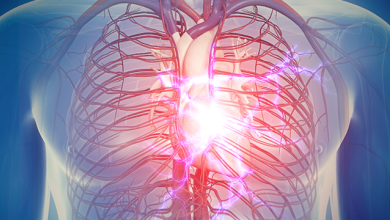














Stable angina pectoris is characterised by typical exertional chest pain that is relieved by rest or nitrates. Angina is caused by myocardial ischaemia. Chronic stable angina has a consistent duration and severity, and is provoked by a predictable level of exertion. It can also be provoked by emotional stress. The pain is relieved by rest or short-acting nitrates.
Patients should have an ECG and undergo assessment for cardiovascular risk factors such as diabetes and hyperlipidaemia. An echocardiograph can help with the assessment of left ventricular function. Beta-blockers and calcium channel antagonists remain first-line options for treatment, while short-acting nitrates can be used for symptoms.