


ESC 2023 – Heart Failure Guideline Review
Published: 01 September 2023
-
Views:
 34673
34673
-
Likes:
 7
7
-
Views:
34673
-
Likes:
7
-
 6m 10s
-
 3m 8s
3m 8s
Overview
In this short video series, recorded at ESC 2023 in Amsterdam, Prof Carolyn Lam (National Heart Centre Singapore, SG) and Prof Giuseppe Rosano (St George’s University Medical School of London, UK) discuss the latest heart failure guideline updates and what this means for clinical practice.
Since the publication of the 2021 ESC Guidelines, several randomised controlled trials have provided further insight into optimal patient management. As such, this update of the guidelines – developed by the task force of the European Society of Cardiology (ESC) with contributions from the Heart Failure Association (HFA) of the ESC and released at ESC 2023 – aims to best support the diagnosis and treatment of acute and chronic heart failure.
Key Learning Objectives
- Recall the main recommendations set out in the ESC guideline update publication
- Compare the guideline updates to existing full European and American guidelines
- Identify which clinical data has informed specific updated recommendations
- State the likely impact of guideline changes to heart failure patients
- Implement guideline updates to daily practice
Target Audience
- Cardiologists
- Heart Failure Specialists
- Primary Care Physicians
- Nurses
- Pharmacists
- Other Allied HCPs
More from this programme
Part 1
Distilling the New ESC Guideline Update
In this first part, Prof Carolyn Lam and Prof Giuseppe Rosano discuss why there was a need for an update of the 2021 guidelines, and consider the changing landscape following EMPEROR-PRESERVED, DELIVER, STRONG-HF and IRONMAN.
Part 2
Assessing the Impact on Practice
In part two, the discussants consider the recommendations for SGLT2 inhibitor use for both heart failure with mildly-reduced ejection fraction and heart failure with preserved ejection fraction to reduce cardiovascular death and heart failure hospitalisation, and the expected impact on clinical practice.
| 1 session | |
| Assessing the Impact on Practice | Watch now |
Part 3
The Future of Heart Failure Management
In this final part, the physicians discuss the power of early detection in improving outcomes and stress the need for accessible and efficient diagnostic testing for the prevention of heart failure among high-risk patients.
About the episode
In this first part, Prof Carolyn Lam and Prof Giuseppe Rosano discuss why there was a need for an update of the 2021 guidelines, and consider the changing landscape following EMPEROR-PRESERVED, DELIVER, STRONG-HF and IRONMAN.
Faculty Biographies

Carolyn Lam
Professor and Senior Consultant
Prof Carolyn Lam is a Senior Consultant at the Department of Cardiology and Director of Women's Heart Health at the National Heart Centre Singapore, having pioneered the first Women’s Heart Clinic in Singapore. Prof Lam is a world-renowned specialist in heart failure (particularly heart failure with preserved ejection fraction [HFpEF]). Her work in the PARAGON-HF and EMPEROR-Preserved trials led to the first FDA-approved treatment for HFpEF and the first robustly positive clinical outcomes trial in HFpEF to-date.
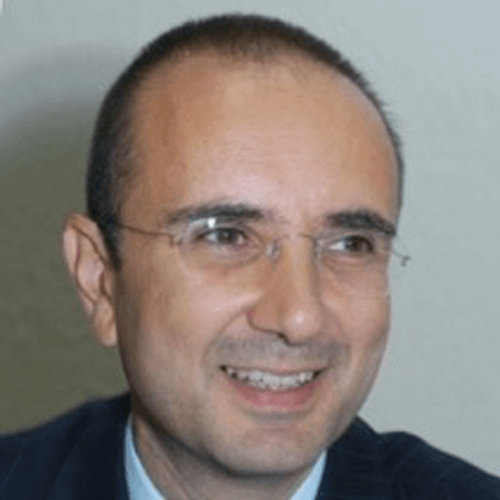
Giuseppe Rosano
Consultant Cardiologist and Professor of Cardiology (Hon)
Giuseppe Rosano is Consultant Cardiologist and Professor of Cardiology at St George’s, University of London, UK where he is also the director of MSc Heart Failure.
Prof Rosano's areas of expertise include heart failure, cardiac metabolism, cardiovascular pharmacology and pharmacotherapy, heart disease in women and cardiovascular effects of sex hormones. He has a specific interest in chronic coronary syndromes and in angina with normal coronary arteries.
Prof Rosano has been core member of the Cardiovascular Working Party of the European Medicines Agency and member of the Pricing and Reimbursement Committee of the Italian…
Comments