


Transcatheter Interventions Online 2022 - On Demand
Published: 09 March 2022
-
Views:
 46060
46060
-
Likes:
 7
7
-
Views:
46060
-
Likes:
7
-
 1h 1m 7sPart 1 | Session 1 Session 1.1: Next Level Structural Heart Interventions Nicolas M Van Mieghem, Kendra J Grubb, Lars Søndergaard, Azeem Latib, David Hildick-Smith
-
1h 2m 19sPart 1 | Session 2 Session 1.2: Live Cases and Discussion Lars Søndergaard, Ole De Backer, Holger Thiele, Nicolas M Van Mieghem, Azeem Latib, Kendra J Grubb, David Hildick-Smith, Mohamed Abdel-Wahab
-
45m 54sPart 1 | Session 3 Symposium: Optimising Outcomes for the TAVI Patient: Key Considerations for First Valve Choice and Implantation Techniques Didier Tchétché, Lars Søndergaard, Ran Kornowski, Douglas G Fraser
-
59m 47sPart 1 | Session 4 Session 1.3: Practical Perspectives in the Context of TAVI Kendra J Grubb, Didier Tchétché, Roxana Mehran, David Hildick-Smith, Lars Søndergaard
-
1h 2m 44sPart 1 | Session 5 Session 1.4: Live Cases and Discussions Nicolas M Van Mieghem, Susheel Kodali, Kendra J Grubb, Roxana Mehran, Didier Tchétché, David Hildick-Smith, Lars Søndergaard
-
44m 31sPart 1 | Session 6 BREAKOUT: Current Data and Future Direction in LAAC Ole De Backer, Dabit Arzamendi
-
48m 20sPart 1 | Session 7 BREAKOUT: Key Considerations to Ensure Long-Term Patients’ Outcomes: When Anatomy, Engineering and Clinical Practice Come Together David Smith, Andrew Cook
-
1h 1m 36sPart 2 | Session 1 Session 2.1: Strategies for Calcified Coronary Lesions Anno 2022 Ajay J Kirtane, Joost Daemen, Margaret McEntegart, Azeem Latib, Didier Tchétché
-
57m 43sPart 2 | Session 2 Session 2.2: Live Cases and Discussion George D Dangas, Holger Thiele, Ajay J Kirtane, Joost Daemen, Margaret McEntegart, Azeem Latib, Didier Tchétché, Annapoorna Kini
-
45m 25sPart 2 | Session 3 Symposium: Getting it Right First Time in Severe Aortic Stenosis - Key insights for Long Term Success Ole De Backer, Darren Mylotte, Colum Owens, Mark Spence
-
1h 1m 32sPart 2 | Session 4 Session 2.3: Practical Pearls Towards a More Advanced CTO Programme Roxana Mehran, Ajay J Kirtane, Holger Thiele, David Hildick-Smith, Margaret McEntegart
-
56m 37sPart 2 | Session 5 Session 2.4: Live Cases and Discussion Roxana Mehran, David Hildick-Smith, Holger Thiele, Nicolas M Van Mieghem, Ajay J Kirtane, Margaret McEntegart, Roberto Diletti
-
56m 12sPart 2 | Session 6 BREAKOUT: Innovations in Treating Complex PCI: The Role of Orbital Atherectomy Nicolas M Van Mieghem, Amir Kaki, Kambis Mashayekhi
-
45m 31sPart 2 | Session 7 BREAKOUT: Coronary Physiology in STEMI patients today: Why? When? How? Ziad A Ali, Joost Daemen, Zsolt Piroth
-
1h 32sPart 3 | Session 1 Session 3.1 & 3.2: Keynote & Controversies Valentin Fuster, Roxana Mehran, Nicolas M Van Mieghem, Lars Søndergaard, Kendra J Grubb, David Hildick-Smith
-
59m 54sPart 3 | Session 2 Session 3.3: Live Cases and Discussion Roxana Mehran, Nicolas M Van Mieghem, Kendra J Grubb, David Hildick-Smith, Lars Søndergaard, Philipp Lurz, Joost Daemen, Christian Besler
-
51m 53sPart 3 | Session 3 Symposium: Severe Aortic Stenosis: Stratifying Patients for Lifetime Management Thomas Modine, Rebecca T Hahn, David Wood, Victoria Delgado
-
1h 3m 33sPart 3 | Session 4 Session 3.4: Debates Nicolas M Van Mieghem, Ajay J Kirtane, Roxana Mehran, Philipp Lurz
Overview
Following on from the success of 2021's inaugural edition, Transcatheter Interventions Online 2022 brings together a world-class faculty to provide expert insight and educational learning on the latest developments in interventional management.
Combining expert opinion and discussion, presentations, and live cases from centres on both sides of the Atlantic, TIO 2022 delivers best-in-class learning, supporting the latest in diagnosis, treatment strategies and patient management.
Note, the live version of this session was CME accredited; this on-demand version is not.
Key Learning Objectives
- Describe the practical implications of TAVI in the context of coronary artery disease, atrioventricular valve disease and transcatheter heart valve degeneration
- Select appropriate tools for calcified coronary artery disease, including mechanical circulatory support and invasive imaging techniques
- Understand coronary physiology, novel recanalization and goal-oriented planning for chronic total occlusion
- Evaluate the role of novel oral anticoagulants in transcatheter aortic valve implantation
- Discuss the need for gender-specific trials and renal denervation
Target Audience
- Interventional Cardiologists
- Surgeons with an interest in transcatheter treatment strategies for coronary and structural heart disease
- Interventional Cardiology Nurses
More from this programme
Part 1
Day One: Structural Heart Disease
Part 2
Day Two: Coronary Heart Disease: High Risk & Complex PCI
Part 3
Day Three: Debates and Controversies
Faculty Biographies
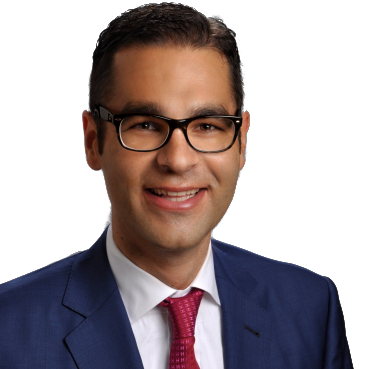
Felix Mahfoud
Associate Professor and Senior Physician
Prof Felix Mahfoud is an Associate Professor and senior physician of Internal Medicine and Cardiology at Saarland University Hospital, and Affiliate/Visiting Professor Harvard-MIT Biomedical Engineering, Institute of Medical Engineering and Science, Cambridge, US. Prof Mahfoud completed training in Cardiology and Interventional Cardiology at the Department for Internal Medicine III, Saarland University Hospital, Germany in 2014. Since 2017, he has served as Vice Chairman of the ‘Working Group on Interventional Hypertension Treatment’ for the European Society of Hypertension, and as a Committee Member of the 2018 Hypertension Guidelines.
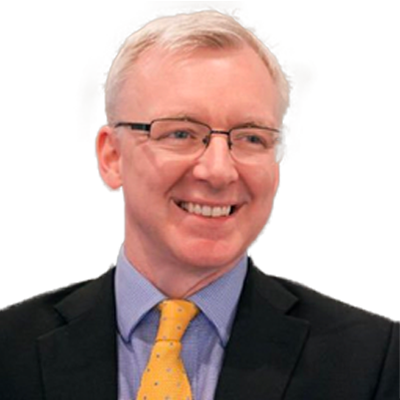
Andrew SP Sharp
Consultant Cardiologist
Prof Andrew Sharp is a Consultant Cardiologist at the University Hospital of Wales, Cardiff, UK. Andrew qualified from Edinburgh Medical School in 1998. He was appointed as a Consultant Cardiologist at the Royal Devon and Exeter Hospital in 2011 and Honorary Associate Professor by the University of Exeter in 2018 before moving to the University Hospital of Wales in Cardiff in the summer of 2019.
Andrew conducted his early training at the Royal Infirmary of Edinburgh, before moving to London for his senior clinical training, completing the prestigious Milan-Imperial Interventional Cardiology Fellowship programme. Dr Sharp was awarded an MD postgraduate research degree from the University of Edinburgh for his work on the hypertensive heart and his current research interests include device-based treatments for hypertension, pulmonary embolism, intracoronary imaging and coronary physiology.
Andrew's specialist interests include the pharmacological and interventional…
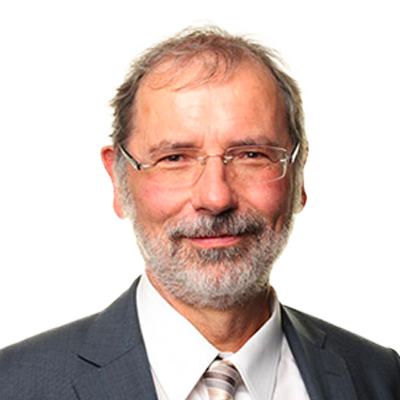
Roland E Schmieder
Professor of Internal Medicine, Nephrology and Hypertension, Head of the Clinical Research Centre and Vice Chair of the Department of Nephrology and Hypertension
Roland E Schmieder is a Professor of Internal Medicine, Nephrology and Hypertension, Head of the Clinical Research Centre and Vice Chair of the Department of Nephrology and Hypertension at the University Hospital Erlangen, Germany. He also directs the Institute of Preventative Medicine at the University Erlangen-Nuremberg and the Community Hospital Nuremberg. Roland is a member of numerous professional societies and committees, and is a Fellow of the American College of Physicians (ACP) and the American College of Cardiology (ACC). He is on the international Editorial Board of the American Journal of Hypertension, the Journal of Human Hypertension and the Journal of Nephrology, among other scientific journals. Professor Schmieder received his post-graduate medical training in nephrology, cardiology and hypertension at the University Hospital of Bonn, and then at the Alton Ochsner Foundation, New Orleans. He graduated in medicine from the…