


SGLT2 Inhibition Updates 2021 - SGLT2 Inhibition in Cardiorenal Disease
Published: 20 July 2021
-
Views:
 24863
24863
-
Likes:
 7
7
-
Views:
24863
-
Likes:
7
-
 Up Next
 -
 17m 18s
 -
 11m 29sPart 7 | Session 3 Panel Discussion
-
 11m 8sPart 8 | Session 1 Welcome and Introduction
 -
 6m 43sPart 8 | Session 2 Soloist Trial Overview
 -
 36m 32sPart 8 | Session 3 Discussion
-
 50m 20s
-
 25m 59s
-
 53sPart 1 | Session 1 Welcome and Introduction Stefan Anker, Shelley Zieroth
-
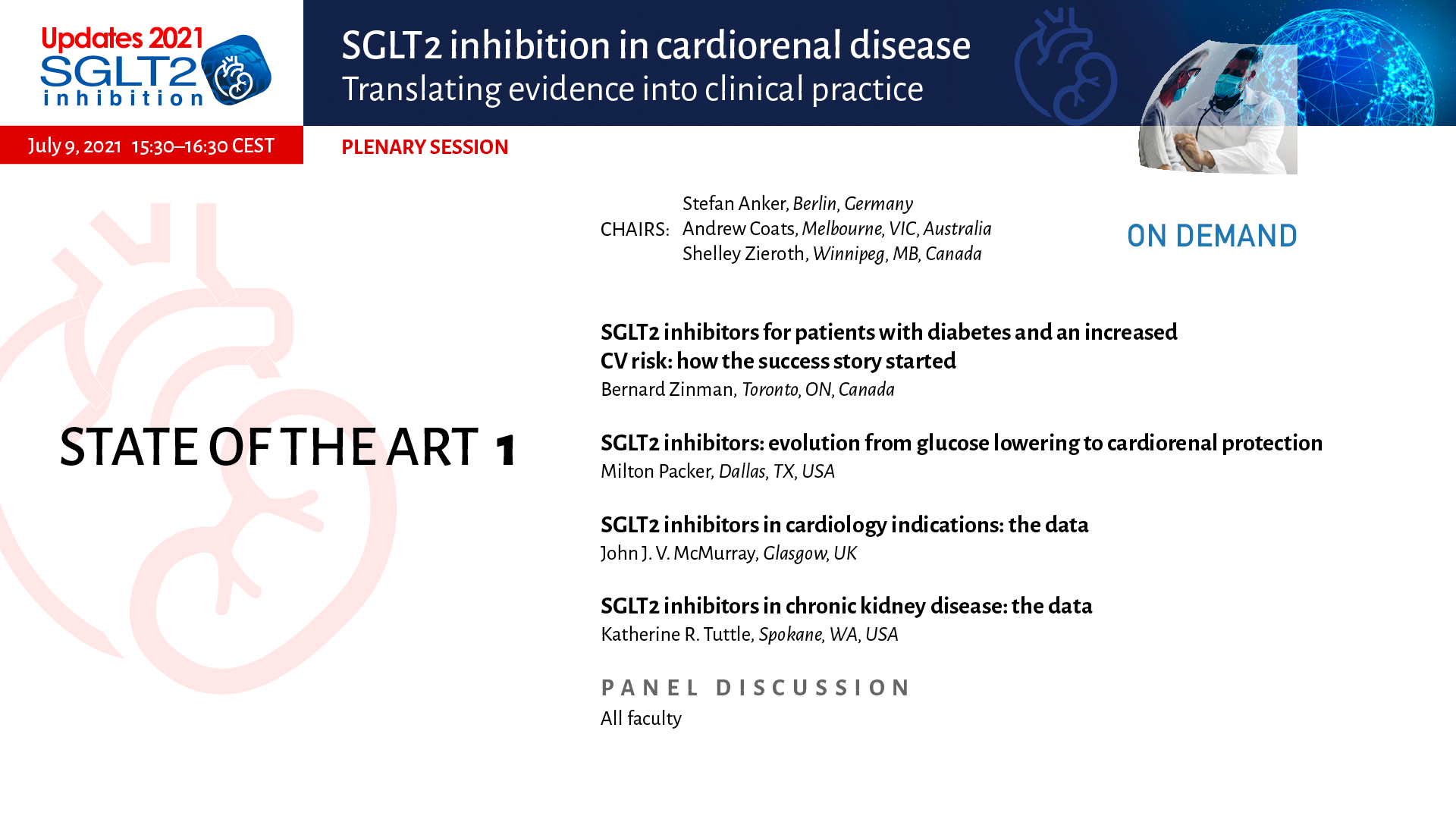
 10m 23sPart 1 | Session 2 SGLT2 Inhibitors for Patients with Diabetes and an Increased CV Risk: How The Success Story Started Bernard Zinman
-
 9m 18sPart 1 | Session 3 SGLT2 Inhibitors: Evolution from Glucose Lowering to Cardiorenal Protection Milton Packer
-
 12m 18sPart 1 | Session 4 SGLT2 Inhibitors in Cardiology Indications: The Data John JV McMurray
-
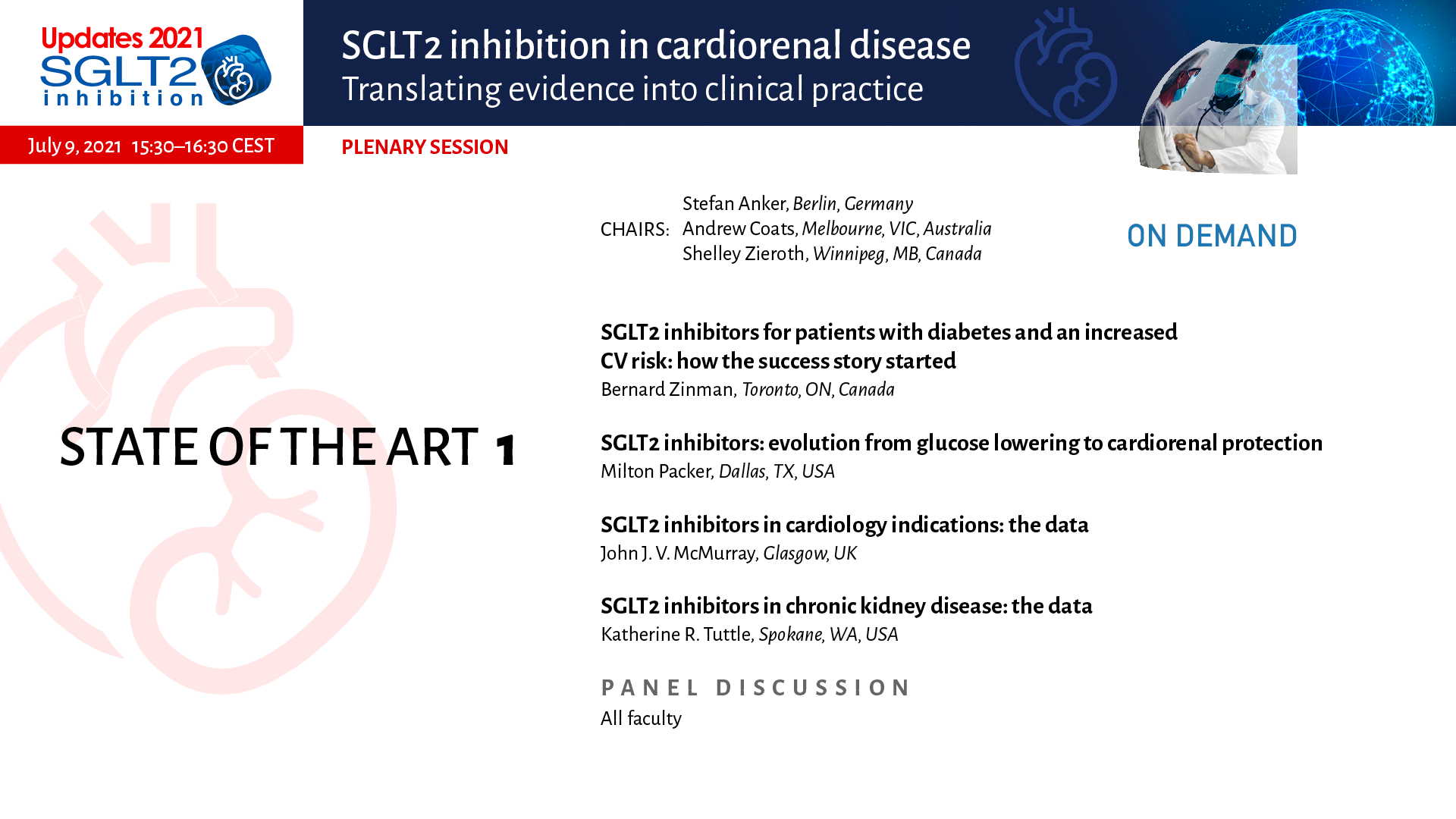 9m 38sPart 1 | Session 5 SGLT2 Inhibitors in Chronic Kidney Disease: The Data Katherine Tuttle
-
 14m 38sPart 1 | Session 6 Panel Discussion Stefan Anker, Shelley Zieroth, Andrew JS Coats, Bernard Zinman, John JV McMurray, Katherine Tuttle
-
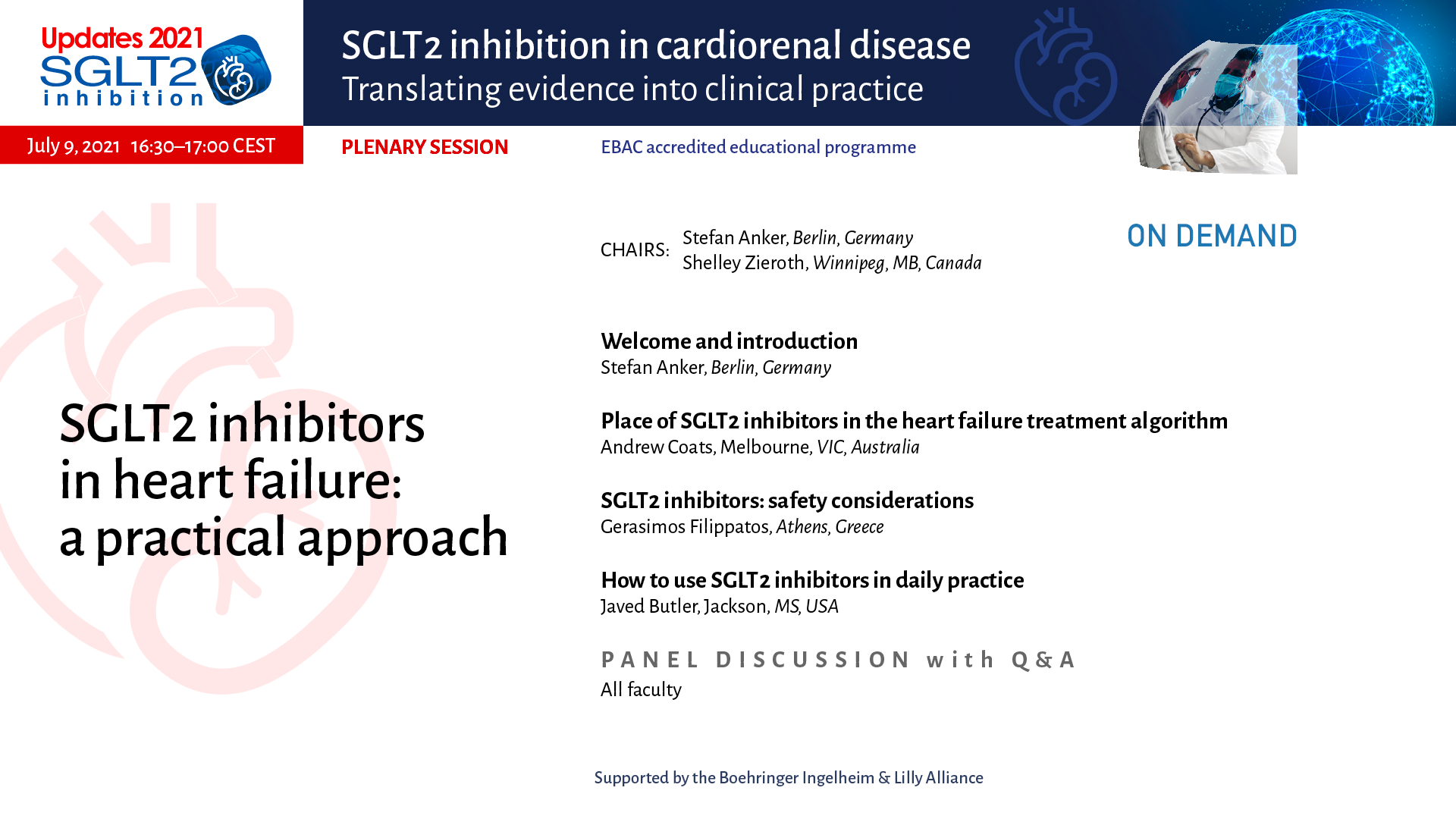 9m 39sPart 2 | Session 1 Place of SGLT2 Inhibitors in the Heart Failure Treatment Algorithm Andrew JS Coats
-
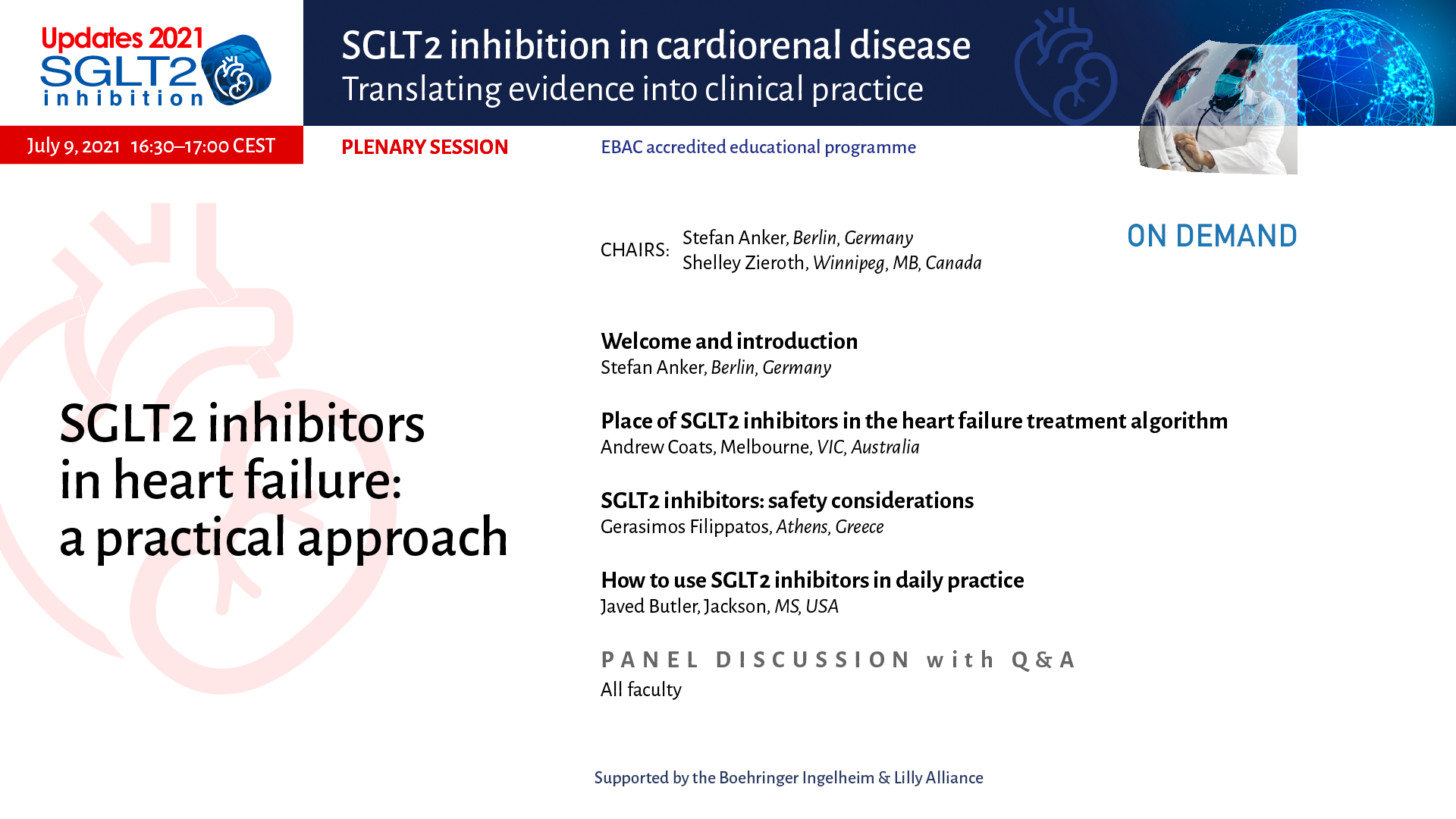 8m 1sPart 2 | Session 2 SGLT2 Inhibitors: Safety Considerations Gerasimos Filippatos
-
 7m 39sPart 2 | Session 3 How to Use SGLT2 Inhibitors in Daily Practice Javed Butler
-
 6m 58sPart 2 | Session 4 Panel Discussion Andrew JS Coats, Gerasimos Filippatos, Shelley Zieroth, Stefan Anker
-
 3m 56sPart 3 | Session 1 Totality of Evidence for the Cardiorenal Patient Alice Cheng, Andrew JS Coats
-
 50m 42sPart 3 | Session 2 Discussion Alice Cheng, Andrew JS Coats
-
 1m 55sPart 4 | Session 1 Welcome and Introduction Shelley Zieroth, John Spertus
-
 43mPart 4 | Session 2 KCCQ Score Overview and Discussion Shelley Zieroth, John Spertus
-
 1m 11sPart 5 | Session 1 Welcome and Introduction Gerasimos Filippatos, Giuseppe Rosano
-
 7m 5sPart 5 | Session 2 SGLT2i in the Elderly and Vulnerable Patients Gerasimos Filippatos
-
 27m 15sPart 5 | Session 3 Discussion Giuseppe Rosano, Gerasimos Filippatos
-
 1m 20sPart 6 | Session 1 Welcome and Introduction Stefan Anker, Mark Petrie
-
 11m 2sPart 6 | Session 2 How do SGLT2 Inhibitors Bring About Cardiorenal Benefits? Subodh Verma
-
 11m 24sPart 6 | Session 3 Totality of Evidence in Heart Failure Deepak L Bhatt
-
 11m 20sPart 6 | Session 4 Trial Results Coming Out Soon Stefan Anker
-
 10m 55sPart 6 | Session 5 Heart Failure Guidelines Marco Metra
-
 14m 37sPart 6 | Session 6 Panel Discussion Stefan Anker, Mark Petrie, Deepak L Bhatt, Marco Metra
Overview
Organised with scientific co-chairs Stefan Anker and Andrew Coats, this event includes presentations and panel discussions with a host of international thought-leaders.
The SGLT2 Updates 2021 conference SGLT2 Inhibition in Cardiorenal Disease: Translating Evidence into Clinical Practice covers the place of SGLT2 inhibitors in the newly released guidelines of the Heart Failure Association (HFA) of the European Society of Cardiology (ESC) as well as their implementation in clinical practice.
In addition to plenary sessions and satellite symposia the conference featured a number of Meet The Expert breakout sessions discussing the implications in treatment of specific patient subgroups including patients with comorbidities. Audience questions were submitted throughout and were addressed by the panel experts.

Educational Objectives
SGLT2 Inhibition in Cardiorenal Disease
- Prepare cardiologists, nephrologists and endocrinologists to effectively manage patients with heart failure, individually and collaboratively
- Apply findings from clinical trials into clinical practice
- Describe the role of SGLT2 inhibitors in different patient subgroups, including patients with comorbidities
- Evaluate the safety and cardiorenal benefits of glucose-lowering agents
- Implement the new guidelines of the HFA of the ESC in clinical practice
Target Audience
- Cardiologists
- Nephrologists
- Endocrinologists
More from this programme
Part 1
State of the Art 1
Part 2
SGLT2 Inhibitors in Heart Failure: A Practical Approach
Part 3
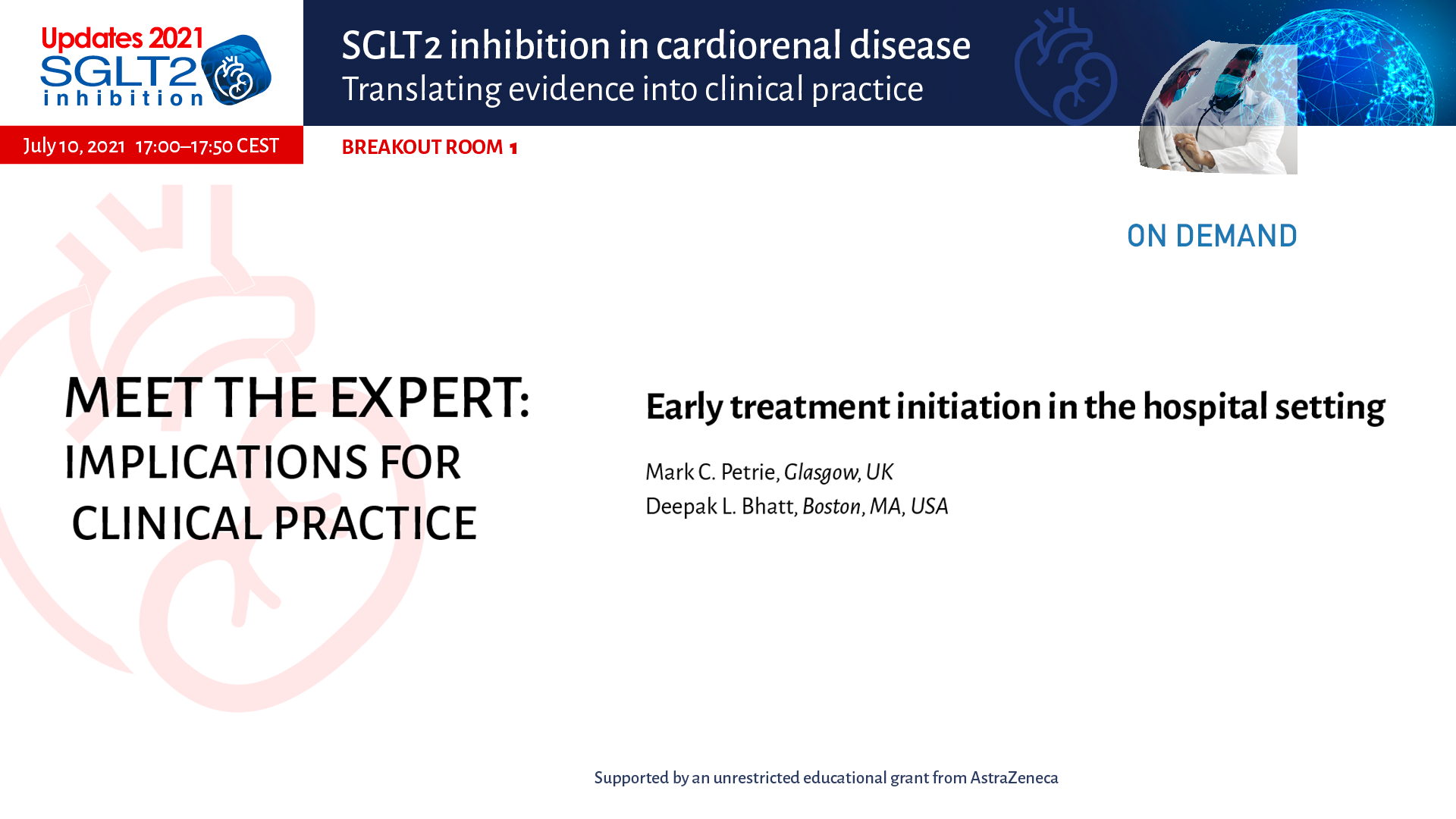
Meet The Expert: Implications for Clinical Practice - Breakout 1
Part 4
Meet The Expert: Implications for Clinical Practice - Breakout 2
Part 5
Meet The Expert: Implications for Clinical Practice - Breakout 3
Part 6
State of the Art 2
Part 7
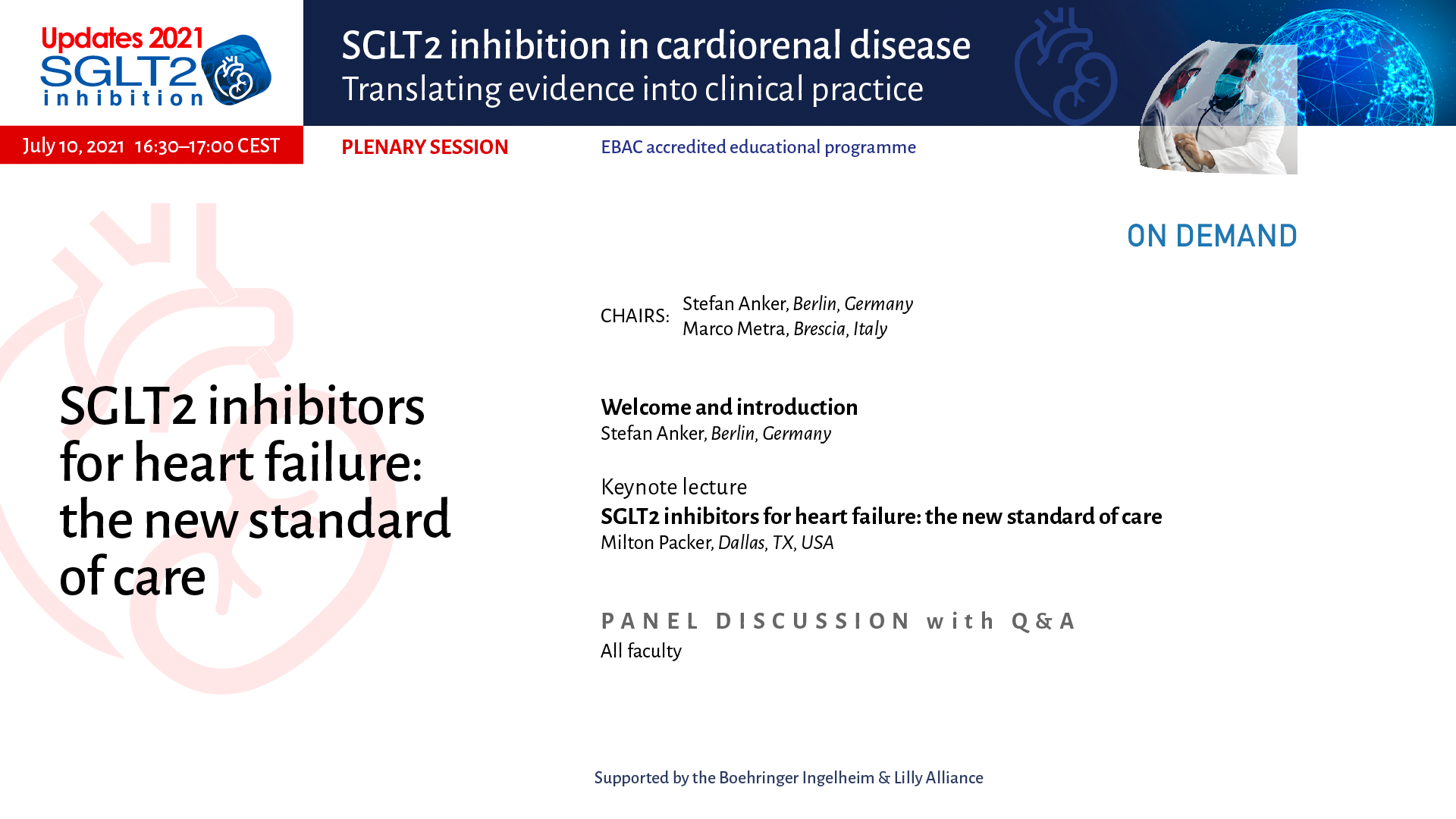
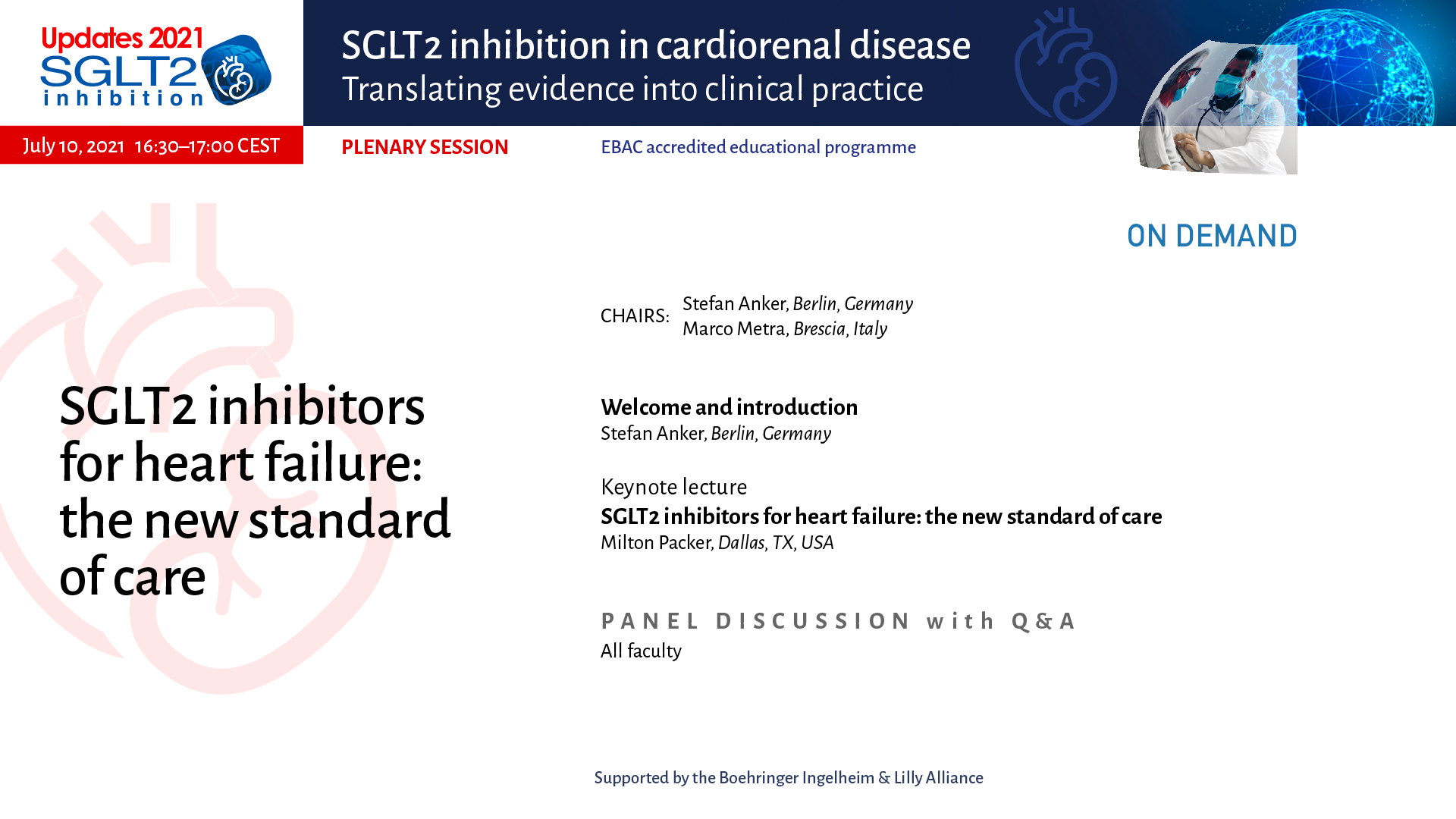
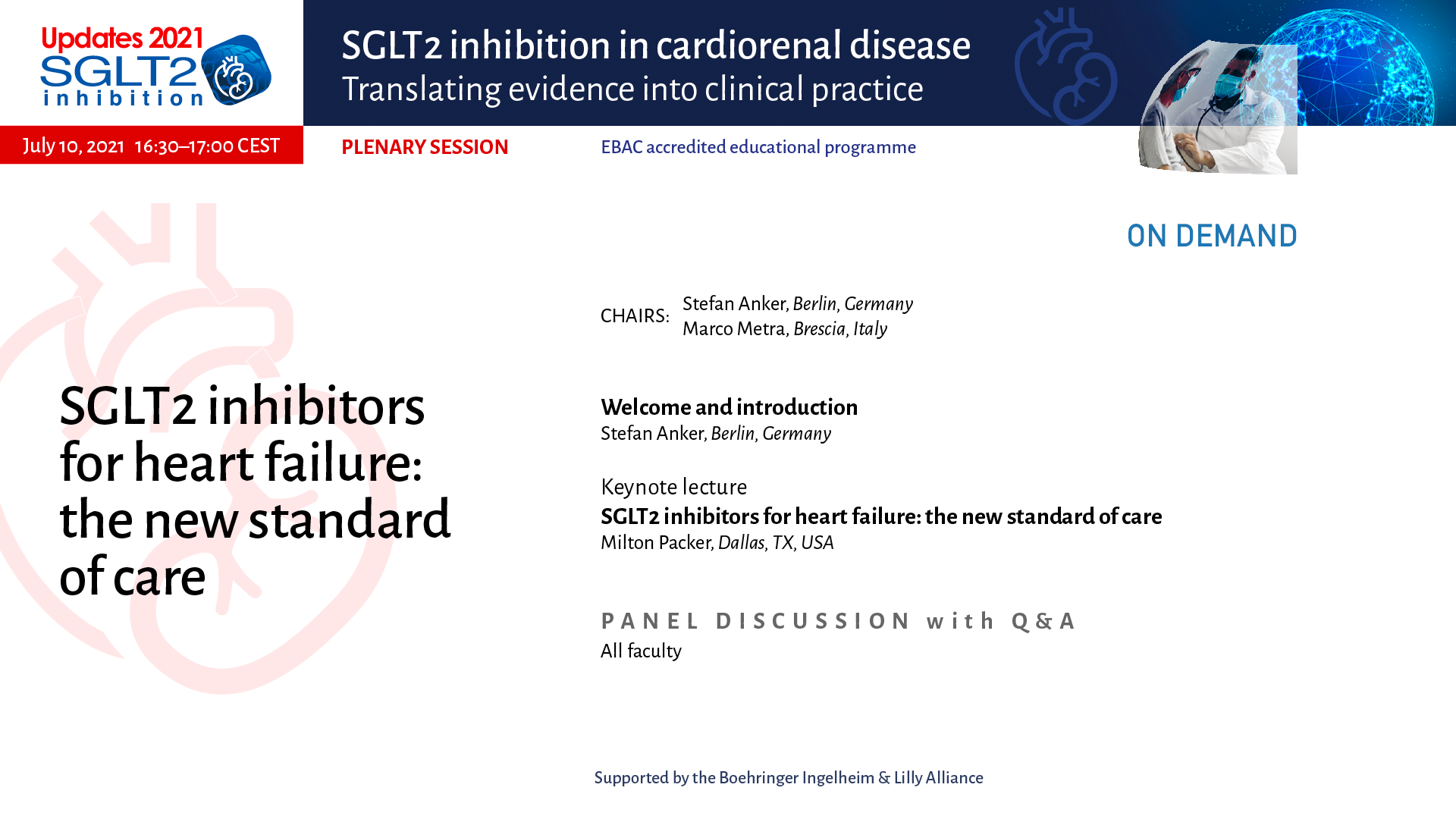
SGLT2 Inhibitors for Heart Failure: The New Standard of Care
Part 8
Meet The Expert: Implications for Clinical Practice - Breakout 4
Part 9
Meet The Expert: Implications for Clinical Practice - Breakout 5
Part 10
Meet The Expert: Implications for Clinical Practice - Breakout 6
Faculty Biographies
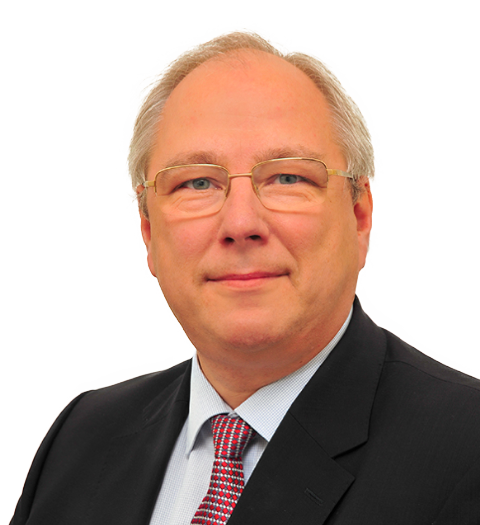
Stefan Anker
Professor of Cardiology
Prof Stefan Anker is professor of (Tissue) Homeostasis in Cardiology & Metabolism at Charité Berlin, Germany, since June 2017. Prodigious researcher who has authored more than 1,000 articles. He has also won several prizes, including the 2018 Copernicus Prize of German DFG & Polish FNP. In October 2020, he was awarded a Doctor honoris causa of Medical University Wroclaw, Poland.
Prof Anker has been serving on the board of the Heart Failure Association (HFA) of the ESC since 2006 and was HFA President from 2012 to 2014. He currently chairs the HFA committee on regulatory affairs. He is founding Editor-in-Chief of the first open-access heart failure journal, ESC Heart Failure. Prof. Anker has served on several ESC Guideline task forces.
Prof Anker is the founding president of the International Society on Sarcopenia, Cachexia and Wasting Disorders (SCWD) and founding Editor-in-Chief of the Journal of Cachexia, Sarcopenia and…
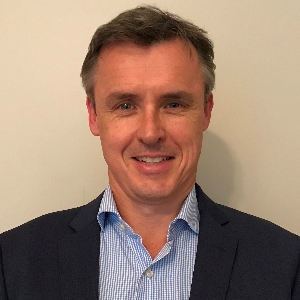
Mark Petrie
Professor/Honorary Consultant (Institute of Cardiovascular & Medical Sciences)
Prof Mark Petrie is Professor of Cardiology in the Institute of Cardiovascular and Medical Sciences at the University of Glasgow, UK. Prof Petrie started his studies as an undergraduate at Edinburgh University, before training in cardiology in Glasgow. He worked as a heart failure and interventional cardiologist for many years before transferring to the University of Glasgow in 2016.
Prof Petrie's research interests focus on diabetes and cardiovascular disease in heart failure, structural intervention and revascularization in heart failure, peripartum cardiomyopathy, microvascular disease in heart failure with preserved ejection fraction, postmyocardial infarction cardiac remodeling, iron in heart failure, and cardio-oncology. While Prof Petrie has many research interests, he also takes pleasure in mentoring future high-caliber cardiologists and has supervised many outstanding individuals during their PhDs and MDs.
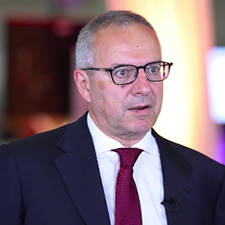
Marco Metra
Professor
Marco Metra is Full Professor of Cardiology and Director of the Institute of Cardiology of the Civil Hospital and University of Brescia, Italy, and Editor-in-Chief of the European Journal of Heart Failure and Senior Consulting Editor of the European Heart Journal.
Prof Metra has been principal investigator and member of the Executive or Steering Committees of many trials in patients with heart failure. His research is focused on heart failure with, as main areas of interest, β-blocker therapy and, more recently, the assessment and treatment of the patients with acute heart failure.
He has co-chaired with Prof. Teerlink, San Francisco, CA, the phase IIB Pre-RELAX-AHF and the phase III RELAX-AHF randomized placebo controlled trials in patients with acute heart failure and is chairing the current RELAX-AHF-2 trial, which has as primary end-points the effects of serelaxin on the 180-days mortality and on in-hospital worsening heart…