


iPCI 2023
Published: 14 April 2023
-
Views:
 5719
5719
-
Likes:
 7
7
-
Views:
5719
-
Likes:
7
-
 Up Next
 -
49m 22sPart 1 | Session 5 Live case 1 Erasmus University Medical Center, Rotterdam, NL
-
1h 7m 21sPart 1 | Session 6 Plaques and drugs
-
 1h 10m 43sPart 2 | Session 1 Welcome and Lesion significance assessment
 -
 45m 57s
 -
 1h 2m 7sPart 2 | Session 3 Procedural planning
 -
 52m 28sPart 2 | Session 4 Imaging for special indications
 -
 57m 15sPart 2 | Session 5 Live case 2 Catharina Hospital, Eindhoven, NL
 -
 1h 13m 28sPart 2 | Session 6 PCI optimisation
-
1h 5m 38sPart 1 | Session 1 Welcome and Current options for plaque characterisation Joost Daemen, Gijs van Soest, Hector M Garcia-Garcia, Richard A Shlofmitz, Giulio Guagliumi, David Erlinge, Alexander Hirsch
-
44m 3sPart 1 | Session 2 Keynote lecture: Learn IVUS from the Master Ton van der Steen, Gary Mintz
-
1h 10m 30sPart 1 | Session 3 Future options for plaque characterisation: device empowered Ton van der Steen, Brett Bouma, Gijs van Soest, Laura Marcu, Ziad A Ali
Overview
iPCI 2023 was a live two-day event, held on the 13–14 April at the LantarenVenster theatre in Rotterdam, NL. Focusing on image guidance techniques in interventional cardiology, with an educational focus on state-of-the-art imaging and physiology research, iPCI was led by a global faculty of over 35 physicians and engineers.
Led by Course Directors Dr Joost Daemen and Prof Dr Gijs van Soest (Thoraxcenter, Erasmus University Medical Center, Rotterdam, NL) iPCI aimed to optimise theoretical and practical education to maximise patient outcomes.
iPCI is a successor of Optics in Cardiology, which ran five exciting editions from 2011. For the first time, the dissemination of iPCI sessions extended beyond the venue – a free-to-access live virtual broadcast was open to physicians globally.

Learning Objectives
- Understand invasive plaque characterisation using existing technologies
- Learn about state-of-the-art plaque characterisation using novel technologies and combined imaging modalities
- Get hands-on experience with current IVUS and OCT modalities to recognise different types of plaque
- Learn about the impact of pharmacotherapeutic agents on plaque progression
- Learn how to assess the physiological impact of coronary plaques using the most recent technological developments
- Learn how to do procedural planning using state-of-the-art coronary imaging and physiology tools
- Understand the principles of PCI optimisation using intracoronary imaging and physiology
Target Audience
- Interventional Cardiologists
- Biomedical Imaging Engineers
More from this programme
Part 1
Day One
Part 2
Day Two
Faculty Biographies
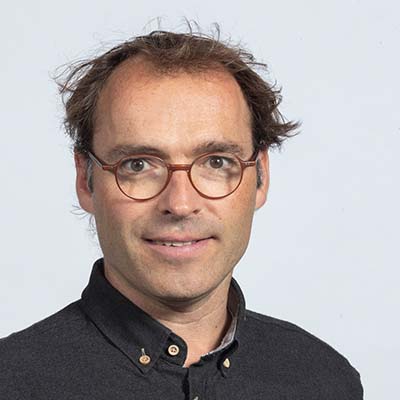
Gijs van Soest
Head of Invasive Imaging
Dr van Soest is an experimental physicist by training (MSc Rijksuniversiteit Groningen 1997). In 2005 he joined the Biomedical Engineering group of the Thorax Center at Erasmus University Medical Center, Rotterdam, NL. Starting a new research topic in optical imaging and taking on the existing research in intravascular ultrasound, he developed his own research line. He became a member of the faculty in 2010 and was appointed Associate Professor in 2015.
He leads the research group “Invasive imaging”, which investigates catheter-based imaging technologies, primarily aimed at guidance of cardiovascular interventions but with an eye to other applications as well.
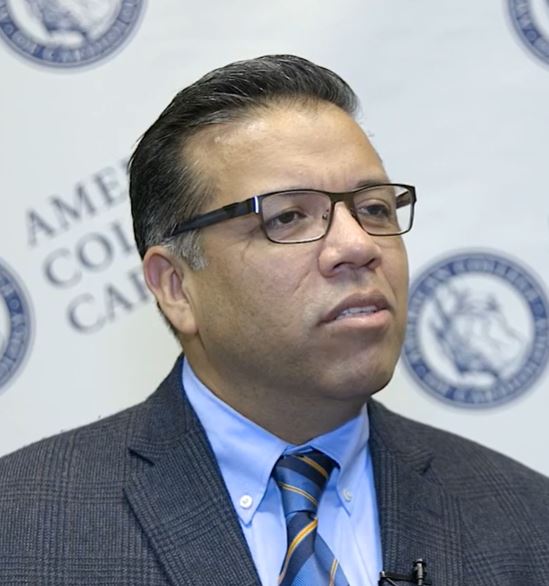
Hector M Garcia-Garcia
Interventional Cardiologist
Dr Hector Garcia-Garcia is director of angiographic, intravascular ultrasound, optical coherence tomography and near infrared spectroscopy imaging at the Cardiovascular Core Laboratory, MedStar Cardiovascular Research Network, MedStar Washington Hospital Center (MWHC). He is also chairman of the Clinical Event committee and an attending cardiologist at MedStar Heart and Vascular Institute, MWHC.
Prior to joining MedStar, he served as director of the core invasive imaging laboratory at a clinical research organisation and as a researcher at the Erasmus Medical Center, Rotterdam. He obtained his degree from the Universidad Autónoma de Guadalajara, Mexico. He completed a residency in cardiology and a fellowship in interventional cardiology at the Instituto Nacional de Cardiologia Ignacio Chavez and the Universidad Nacional Autónoma de Mexico. His master’s degree in epidemiology and his doctorate degree in clinical research are from the Erasmus University Rotterdam, the…
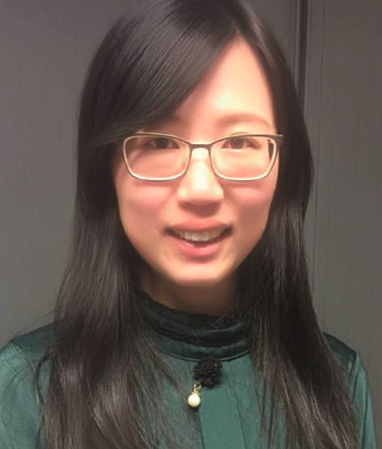

Shengxian Tu
Dr Shengxian Tu, PhD, FACC, FESC is Professor of biomedical engineering at Shanghai Jiao Tong University in Shanghai, China.
Dr Tu received his PhD at the Leiden University Medical Center with cum laude. He is the inventor of both QFR and OFR techniques that allow for fast computation of fractional flow reserve from X-ray angiography and intracoronary optical coherence tomography, respectively.
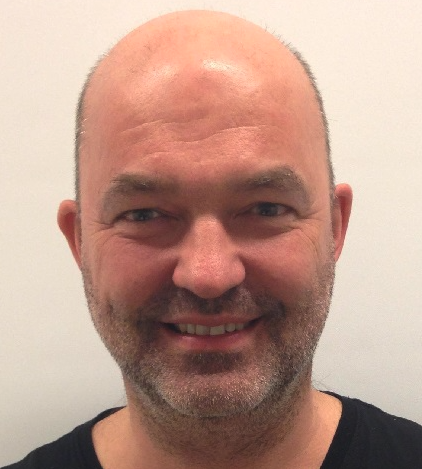
Frank Gijsen
Associate Professor
Dr Frank Gijsen is an Associate Professor at Erasmus University Medical Center, Rotterdam, NL. He was trained as a mechanical engineer, and did his PhD on experimental and numerical analyses of blood flow in large arteries.
Dr Gijsen's main interests include the influence of blood flow induced wall shear stress on atherosclerotic plaque progression, composition and rupture.
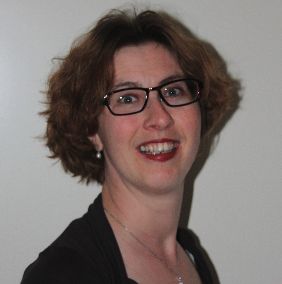
Jolanda Wentzel
Associate Professor and Head of Biomechanics Laboratory
Dr Jolanda Wentzel is an Associate Professor and Head of Biomechanics Laboratory at Erasmus University Medical Center, Rotterdam, NL. She obtained her PhD degree at the Erasmus MC Rotterdam in 2000.
Her interests are to investigate the influence of biomechanical forces on the changes in the cardiovascular system observed during life.
Comments